
In textile dyeing and finishing production, the pretreatment process has a decisive influence on the final dyeing effect and the quality of the finished product. Whether pretreatment is thorough and consistent directly determines how evenly a fabric absorbs liquor, how well dyes perform, and whether results can be reproduced batch after batch.
Yet pretreatment is only one piece of a larger operational system. Textile auxiliaries govern every stage, from the moment fabric enters the process house to the final hand feel on a finished product. These chemicals are not secondary process additions. They determine wetting behaviour, impurity removal, dye migration, foam control, fixation efficiency, softness, durability, and even machine productivity.
Choosing the wrong auxiliary, or using the right one incorrectly, creates problems that no downstream correction can fully fix. Uneven dyeing, poor absorbency, low fastness, harsh handle, back staining, and excessive reprocessing often originate from incorrect auxiliary selection or poor process compatibility.
Modern textile manufacturing also operates under tighter environmental and commercial pressure than ever before. Mills are expected to reduce water and energy consumption, maintain ZDHC textile chemicals and GOTS compliant standards and deliver consistent quality across bulk orders.
Textile auxiliaries now sit at the centre of that balance between performance, efficiency, and sustainability.
What Are Textile Auxiliaries, And Why the Definition Matters
Textile auxiliaries are specialty chemicals used alongside dyes, acids, alkalis, oxidising agents, and reducing agents to improve the efficiency and outcome of textile processing. They do not impart colour themselves. Instead, they create the chemical and physical conditions required for controlled textile processing.
Their functions include:
- Improving fabric wettability
- Removing natural and process impurities
- Stabilising bleaching systems
- Controlling dye uptake
- Preventing foam formation
- Enhancing colour fixation
- Improving softness and handle
- Adding functional performance characteristics
The category includes a wide range of chemistries such as:
- Wetting agents
- Scouring agents
- Sequestering agents
- Levelling agents
- Dispersants
- Antifoaming agents
- Softeners
- Fixing agents
- Functional finishing chemicals
Selecting the correct auxiliary depends on several operational variables:
- Fibre type
- Dye class
- Machine type
- Processing temperature
- Water quality
- Compliance requirements
- Desired fabric performance
This is where textile processing becomes highly application-driven. A levelling agent suitable for polyester disperse dyeing may perform poorly in reactive dye systems. A surfactant stable under alkaline conditions may destabilise under acidic dye baths.
The same process sensitivity applies to textile printing chemicals, where rheology, migration control, and binder compatibility directly influence print sharpness and colour consistency. Compatibility across the full process chain matters more than individual product performance alone.

Stage 1: Pretreatment: The Non-Negotiable Foundation
Pretreatment determines how successfully every downstream process performs. If absorbency, cleanliness, and fabric uniformity are compromised here, no dyeing correction can fully restore consistency later.
Desizing: Removing Weaving Chemicals
Grey cotton fabrics carry size materials applied during weaving for yarn protection. These starch-based or synthetic sizes must be removed before dyeing.
Enzyme textile processing systems break down starch molecules into water-soluble fragments that wash out efficiently. Wetting agents accelerate penetration into tightly woven fabrics, ensuring uniform desizing across the fabric width.
Incomplete desizing leads to:
- Patchy dye uptake
- Barre marks
- Uneven absorbency
- Poor print sharpness
In continuous processing systems, low-foam wetting agents are preferred because excessive foam interferes with liquor circulation and machine efficiency.
Scouring: Eliminating Natural Impurities
Raw cotton contains:
- Natural waxes
- Pectins
- Proteins
- Seed coat fragments
- Mineral impurities
Scouring removes these hydrophobic contaminants and improves fabric wettability.
Caustic soda remains the primary alkali for cotton scouring, but alkali alone cannot suspend removed impurities effectively. Scouring bleaching agents help emulsify oils and disperse impurities so they do not redeposit onto the fabric.
Sequestering Agents and Bleach Stability
Sequestering agents bind metal ions and prevent catalytic decomposition of hydrogen peroxide during bleaching.
EDTA-based systems remain widely used due to their strong chelating performance. However, many mills are now shifting toward biodegradable and plant-origin sequestrants to align with sustainability targets and wastewater management requirements.
Hydrogen peroxide stabilisers are equally important. Without controlled peroxide decomposition:
- Fibre damage increases
- Pinholes can develop
- Whiteness becomes inconsistent
- Chemical consumption rises
Modern peroxide stabilisers are designed to maintain controlled bleaching activity while minimising fibre degradation.
The Shift Towards Bio-scouring
Enzymatic and bio-based pretreatment systems are gaining strong adoption across export-oriented textile mills.
Compared to conventional high-alkali scouring, bio-scouring offers:
- Lower steam consumption
- Reduced fibre damage
- Softer fabric handle
- Lower COD and BOD in effluent
- Improved sustainability compliance
This shift is particularly relevant for mills supplying to global apparel brands operating under GOTS compliant textile auxiliary frameworks.
Pretreatment Challenges in Polyester and Blended Fabrics
Synthetic fibres require a completely different pretreatment strategy.
Polyester fabrics mainly contain:
- Spin finish oils
- Oligomers
- Antistatic agents
Hot washing with sodium carbonate and non-ionic surfactants is generally sufficient. However, cotton-polyester blends require balanced processing conditions that address both fibre chemistries simultaneously without damaging either substrate.
One operational issue frequently observed in textile mills is insufficient rinsing between pretreatment stages. Residual alkali or peroxide carried into dyeing baths significantly affects shade reproducibility and dye fixation.
Neochem’s Pretreatment Auxiliary Solutions
Efficient pretreatment improves absorbency, impurity removal, whiteness stability, and dye uptake consistency across different fabric types.
Neochem’s pretreatment range includes:
- KLARIZYM: Enzymes for desizing and bio processing
- KLARITOL: Wetting and scouring agents
- QUNOX: Sequestering and peroxide stabilising systems
- LUBIMAK: Anti creasing agents
- NEUTRAX: Acid neutralisers
- MERCOL: Mercerising agents
The Klarizym range supports multiple temperature conditions for efficient desizing while helping improve fabric wettability and dye absorption.
Stage 2: Dyeing Auxiliaries: Controlling the Most Sensitive Process
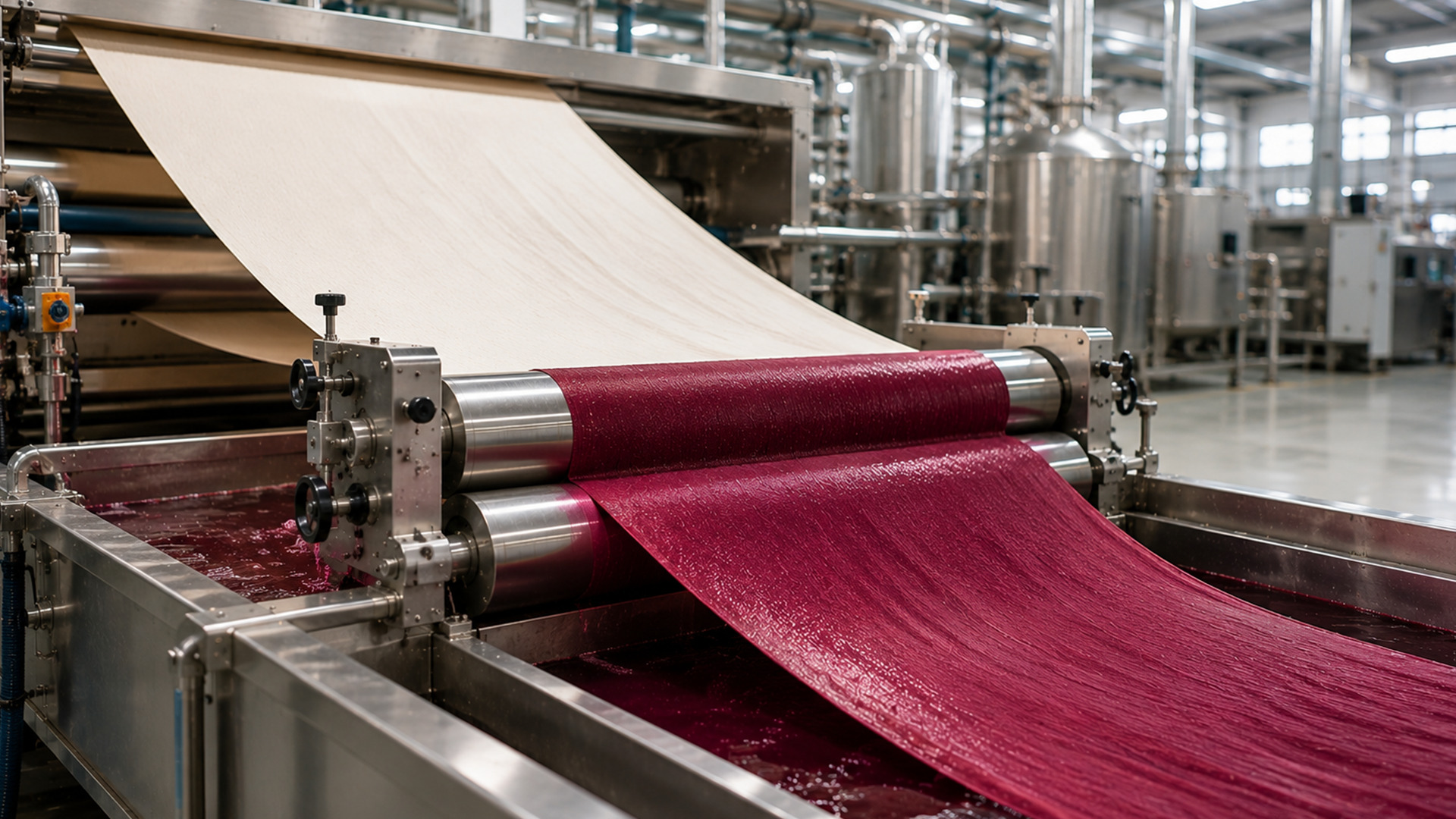
Dyeing is the most chemistry-sensitive stage in textile wet processing. Small variations in auxiliary performance can create major differences in shade uniformity, migration behaviour, and fastness.
Levelling Agents: Managing Dye Uptake
Levelling agents regulate the rate at which dyes are absorbed by the fibre.
Their role is especially important in:
- Polyester dyeing
- Dark shades
- High-affinity dye systems
- Sensitive knitted structures
Without effective levelling control, dyes strike the fibre too rapidly, resulting in:
- Patchy dyeing
- Barre marks
- Streaks
- Uneven depth
The chemistry of levelling agents differs by fibre and dye class:
- Non-ionic systems for direct dyes
- Cationic retarders for acrylic fibres
- Anionic systems for acid dye applications
In polyester dyeing above 80°C, dye uptake accelerates rapidly. Retarding systems temporarily occupy dye sites and release them gradually as temperature rises.
Dispersing Agents
Disperse dyes used for polyester are only sparingly soluble in water. Dispersing agents keep dye particles suspended uniformly throughout the dye bath.
High-efficiency dispersants improve:
- Shade reproducibility
- Dye transfer
- Machine cleanliness
- Oligomer control
Poor dispersing systems increase the risk of dye agglomeration and machine deposition.
Antifoaming Agents
Foam generation affects liquor circulation, pump efficiency, and dye distribution.
Silicone-based antifoams, especially dimethyl polysiloxane systems, are widely used because they provide effective foam suppression without destabilising the dye bath.
Continuous dyeing systems particularly depend on controlled foam levels for consistent application.
Carriers for Polyester Dyeing
Atmospheric polyester dyeing still relies on carriers in many processing environments where HTHP machines are unavailable.
Carriers swell the polyester fibre structure and improve disperse dye penetration at lower temperatures.
The critical requirement is complete removability after dyeing. Residual carrier deposits can affect:
- Fabric odour
- Light fastness
- Handle
- Finishing compatibility
Neochem’s Dyeing Auxiliary Solutions
Modern textile dyeing requires auxiliaries that improve shade consistency, dye migration, wash fastness, and machine efficiency across different fibre systems. Neochem’s dyeing auxiliary portfolio supports reactive, dispersed, vat, acid, and blended fabric processing while improving reproducibility and process stability.
EVENOL: Levelling & Dispersing Agents
The EVENOL range improves dye uptake, migration behaviour, and dispersion stability across textile dyeing systems.
Key products include:
- Evenol DLR Plus: Levelling agent for reactive dyeing on cellulosic fibres and blends
- Evenol MND: Combined levelling and dispersing agent for polyester and polyester-cotton blends
- Evenol CFP Plus: Non-ionic levelling and stripping agent for polyester dyeing
- Evenol DNS Powder & Liquid: High-temperature dispersing systems for disperse, vat, and indigo dyeing
- Evenol DST: Dye solubilisation aid for critical reactive dye shades
- Evenol LNW: Levelling solution for nylon, wool, and silk blends
These solutions support better pigment dispersant performance and stronger liquid dye formulation stability in textile processing.
EVENOL: Alkali Donors
Neochem’s alkali donor systems improve reactive dye fixation while supporting cleaner and more controlled processing conditions.
- Evenol SAR Powder & Liquid: Alkali donors designed to replace soda ash
- Evenol AR: Reactive dyeing alkali donor for cotton and blended fabrics
AMPINOL: Washing-Off Agents
The AMPINOL range improves post-dyeing wash-off efficiency, reduces back staining, and maintains fabric cleanliness.
Key products include:
- Ampinol RDP: Washing-off agent for polyester/cotton and polyester/viscose blends
- Ampinol ESS Ultra: High-performance washing-off agent with anti-tinting properties
- Ampinol AWA: Acidic washing-off agent for combined neutralisation and soaping
- Ampinol ECO Powder & Liquid: Reduction clearing agents for disperse dyeing
- Ampinol DBC: Additive that improves reproducibility and washing-off performance
These systems help optimise dye auxiliary chemicals usage across textile wet processing.
DYFAST: Dye Fixative Agents
The DYFAST range improves wash fastness and minimises dye bleeding in reactive and direct dye systems.
Key solutions include:
- Dyfast DTF Plus: Dye fixative for reactive and direct dyeing
- Dyfast PMD Plus: Fastness enhancer with minimal tonal variation
- Dyfast FFC Ultra: Concentrated fixative for improved colour durability
- Dyfast DFL & DFL Conc: Fixatives designed to improve fastness without affecting fabric aesthetics
KOLAPSOL: Foam Inhibition Agents
The KOLAPSOL range controls foam formation and improves liquor circulation in textile dyeing operations.
- Kolapsol ST: High-temperature stable foam inhibition agent
- Kolapsol AFD: Silicone-based foam inhibitor for polyester dyeing
- Kolapsol DA: Silicone-free foam inhibition agent for textile applications
Together, these solutions strengthen Neochem’s role in specialty chemicals for dyes and pigments by supporting efficient dyeing operations, improved dispersion control, and sustainable textile processing performance.
Stage 3: Printing Auxiliaries: Precision Chemistry for Surface Design
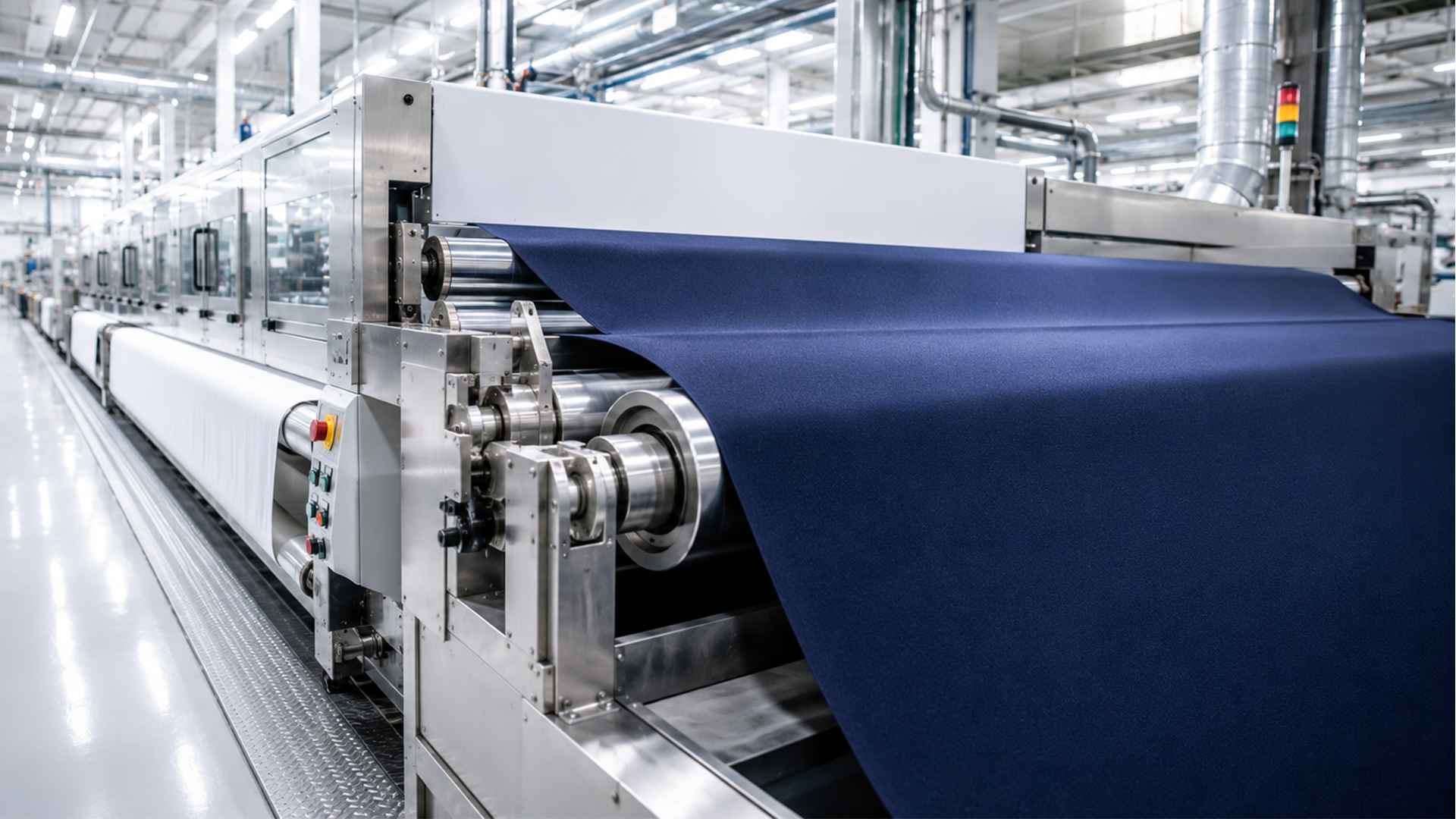
Textile printing requires tighter rheological and chemical control than conventional dyeing because colour placement must remain highly defined.
A standard printing formulation contains:
- Colourants
- Thickeners
- Wetting agents
- Dispersants
- Hygroscopic agents
- Antifoams
- Binders
Thickeners: The Structural Base of Printing
The thickener determines paste viscosity and controls print sharpness.
The selection depends on:
- Dye chemistry
- Printing technique
- Fabric construction
- Desired penetration
Common systems include:
- Natural gums
- Modified starches
- Synthetic acrylic thickeners
Incompatible thickener systems lead to:
- Bleeding
- Poor edge definition
- Uneven penetration
- Weak fastness
Migration Control
During drying, moisture movement can pull dissolved dye particles toward the fabric surface or edges.
Migration inhibitors help maintain even dye distribution during intermediate drying stages.
Reactive dye printing often uses salt systems such as Glauber salt, while vat systems rely more heavily on thickener-based migration control.
Binder Systems in Pigment Printing
Pigment printing requires binders because pigments do not chemically bond with fibres.
Binder performance directly affects:
- Rubbing fastness
- Print flexibility
- Durability
- Fabric handle
The market has shifted strongly toward low-formaldehyde and APEO-free binder systems due to global compliance standards.
Neochem’s Printing Auxiliary Solutions
Textile printing requires controlled chemistry to maintain print sharpness, colour vibrancy, and rubbing fastness.
Neochem’s printing range includes:
- PRIMAPRINT: Pigment printing binders
- TRUTONE: Discharge printing systems
- BRILLOPRINT: Printing auxiliaries
- DYFAST: Crock fastness improvers
The Primaprint range is designed to deliver soft feel, strong fastness, and sharp print definition while supporting modern compliance requirements.
Stage 4: Finishing Auxiliaries: Engineering Fabric Performance
Textile finishing chemicals determine the final commercial value of the textile.
This stage controls:
- Handle
- Drape
- Surface smoothness
- Functional performance
- Durability
Softeners
Softener textile formulations modify fibre surface friction and improve tactile feel.
Different chemistries deliver different effects:
- Silicone emulsions for smoothness and durability
- Cationic softeners for cotton affinity
- Non-ionic systems for pH stability
- Ester quats for sustainable softness
Bio-based softeners are seeing rapid adoption because they help processors meet sustainability targets without sacrificing hand feel.
Dye Fixing Agents
Reactive and direct dyes can suffer from poor washing fastness if unfixed dye remains on the fibre surface.
Cationic fixing agents form insoluble dye complexes that reduce dye bleeding during laundering.
This becomes especially important for:
- Dark shades
- Deep reactive colours
- Export-quality garments
Functional Finishes
Modern textile auxiliaries increasingly deliver functional performance beyond aesthetics.
Current high-demand functional finishes include:
- Water repellency
- Antimicrobial protection
- Flame retardancy
- UV resistance
- Moisture management
- Anti-static behaviour
Fluorine-free water repellent technologies are becoming increasingly important as brands phase out conventional fluorocarbon systems.
Neochem’s Finishing Auxiliary Solutions
Finishing auxiliaries influence the final feel, softness, smoothness, and appearance of textile products.
Neochem’s finishing portfolio includes:
- REVILON: Organic softeners and wax systems
- GLIDEX: Silicone finishes
- AMBITAC: Touch modifiers
Products such as Revlion CEQ Plus help deliver durable softness, smooth surface feel, and hydrophilic performance while supporting sustainability focused textile processing.
Process Efficiency: The Operational Advantage of Modern Auxiliaries
One of the most commercially important aspects of textile auxiliaries is their impact on process efficiency.
The right auxiliary system can help mills:
- Reduce processing stages
- Lower water consumption
- Cut steam usage
- Improve first-time-right dyeing
- Reduce reprocessing
- Shorten cycle times
- Improve machine productivity
For example:
- Single-bath scour-bleach systems eliminate separate processing stages
- High-efficiency levelling agents reduce shade correction
- Low-foam wetting systems improve machine throughput
- Bio-based auxiliaries reduce effluent treatment load
These improvements create measurable operational savings across large-scale textile production.
Textile Auxiliaries and the Future of Sustainable Processing
Global textile manufacturing is moving toward cleaner chemistry and stricter compliance systems.
Today, textile auxiliaries are evaluated not only on performance but also on:
- Biodegradability
- Toxicological profile
- Water footprint
- Energy efficiency
- ZDHC compatibility
- GOTS compliance
For textile mills supplying international brands, auxiliary chemistry now directly affects market access and long-term competitiveness.
The future of textile processing will increasingly depend on auxiliary systems that combine:
- High process efficiency
- Low environmental impact
- Strong reproducibility
- Multi-functional performance
- Resource optimisation
At Neochem, we have been developing and supplying specialty textile auxiliaries since 1978. As a trusted textile auxiliary manufacturer in India, our portfolio covers pretreatment, dyeing, printing, finishing and functional chemistry, with formulations aligned to ZDHC, GOTS, and evolving sustainability requirements across global textile supply chains.
From water-saving wetting systems to bio-based finishing solutions, our focus remains on helping textile processors improve both production performance and environmental responsibility through application-driven chemistry using advanced textile pre-treatment chemicals and high-performance textile dyeing auxiliaries.